

Transcript
When the Senate wished to name her Mother of the Fatherland, her own son vetoed it. Tiberius, the emperor she had helped place on the throne, could not bear to share the credit. This was the shape of her later life: immense power, no title to match it, and a son who resented every breath of influence she drew.
She was born in 59 BC into a patrician family whose loyalties would soon prove fatal. Her father fought on the losing side at the Battle of Philippi and killed himself there, alongside the assassins of Julius Caesar. Livia was barely sixteen, already married, already a mother.
Her husband, a soldier called Tiberius Claudius Nero, kept fighting against Octavian long after Philippi, dragging his family into exile across Sicily and Greece. Then came the amnesty, the return to Rome, and the moment that changed everything: in 39 BC, Octavian met Livia in person and, by all accounts, wanted her immediately.
He divorced his own wife the very day she gave birth. Livia, six months pregnant with her second child, was handed over by her first husband at the wedding ceremony, as a father gives away a daughter. Three days after she gave birth, she married Octavian. Whatever love or calculation drove the union, it lasted fifty-one years.
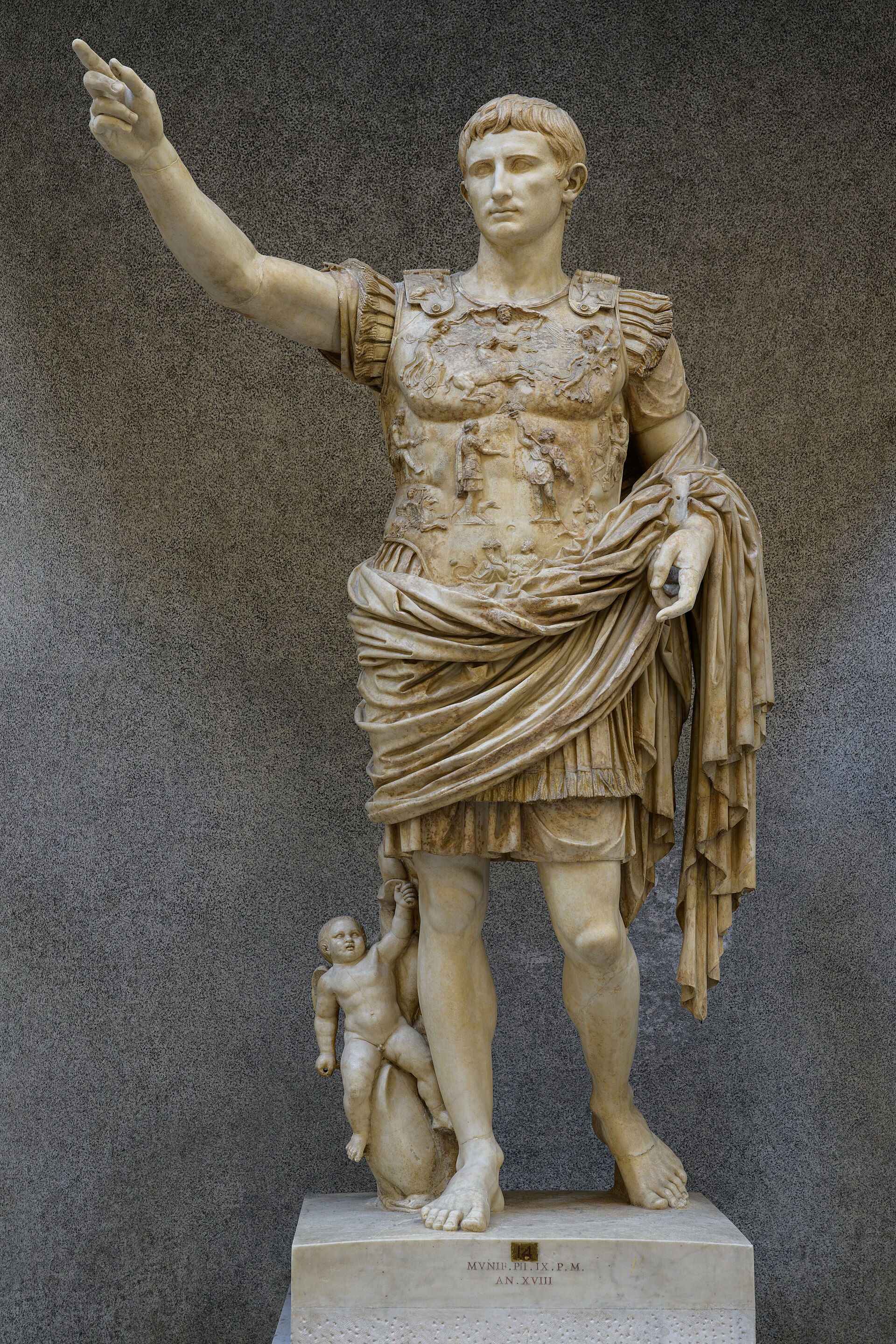
When the Senate granted Octavian the title Augustus in 27 BC, Livia became the model Roman wife in public and his most trusted counsellor in private. He wrote down topics to discuss with her and kept careful notes of her answers. She owned copper mines, palm estates, papyrus marshes, and quietly steered careers across the empire.
She pushed her sons forward relentlessly. Drusus, the younger, died in a riding accident in 9 BC. That left Tiberius, whom Augustus eventually adopted as heir in AD 4. Ancient writers whispered that rivals who stood between her sons and succession had a habit of dying. The rumours clung to her name for centuries.
Augustus died on 19 August AD 14. His will adopted Livia formally into the Julian family and granted her the title Augusta. She was now Julia Augusta, mother of the emperor, and she behaved accordingly: receiving senators, co-signing petitions, running what amounted to a parallel court. Tiberius, increasingly furious, eventually withdrew to the island of Capri partly, ancient sources say, because he could no longer endure her.
Livia died in AD 29. Tiberius stayed on Capri, sent his great-nephew Caligula to deliver the funeral oration, and let days pass while the body waited. He vetoed her divine honours, cancelled the Senate's tributes, and refused to execute her will. The woman who had shaped the first dynasty of Rome was denied even a proper farewell by the son she had made emperor.
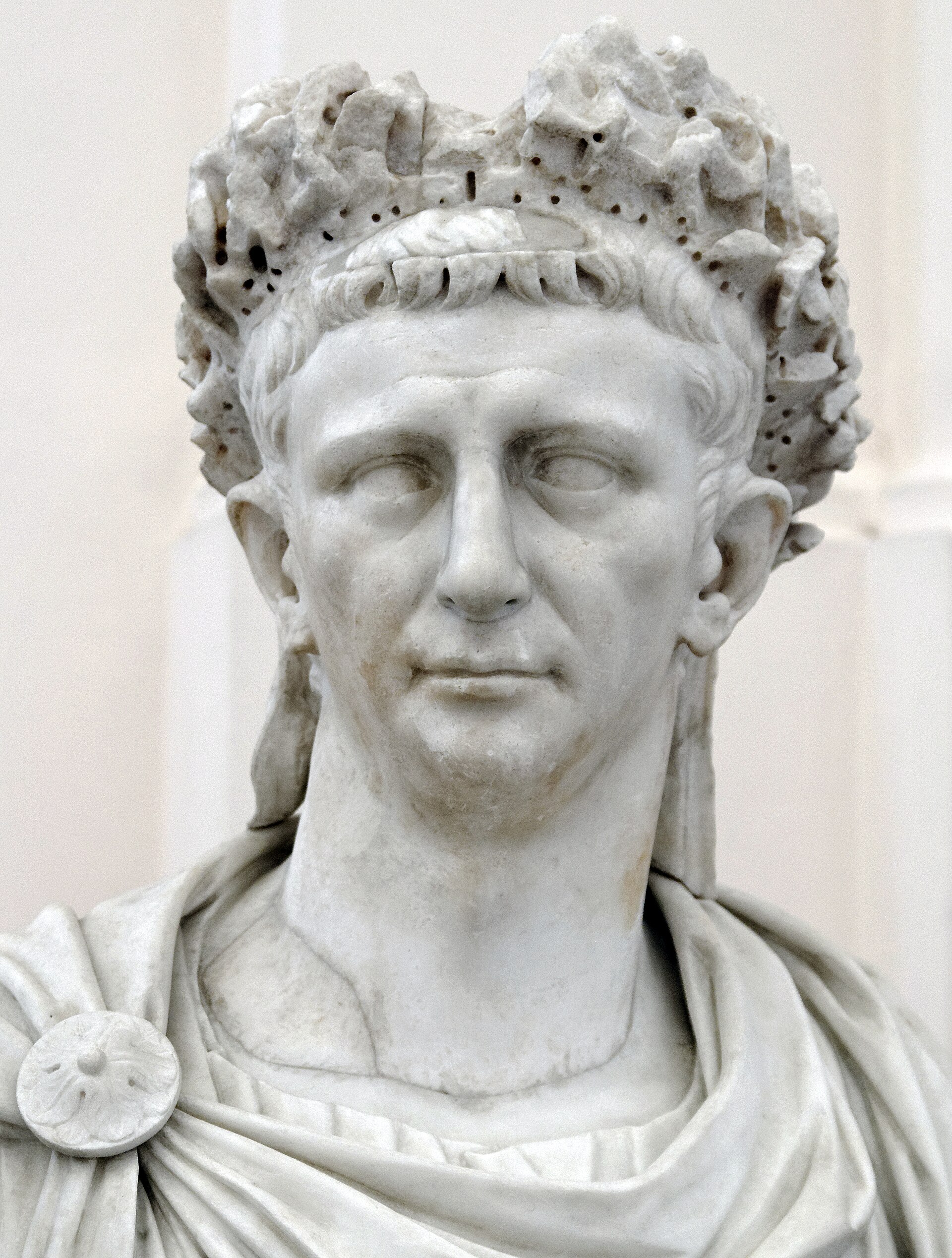
It was her grandson Claudius who finally gave her what Tiberius had refused. In AD 42, thirteen years after her death, he completed her deification. She became Diva Augusta, the Divine Augusta, her image drawn by elephants to the public games, her name sworn in women's sacred oaths. The dynasty she had built, through calculation and patience across nine decades, consecrated her at last.
Image: Didier Descouens, Public domain · AI-narrated · Drawn from Wikipedia · CC BY-SA 4.0