

Transcript
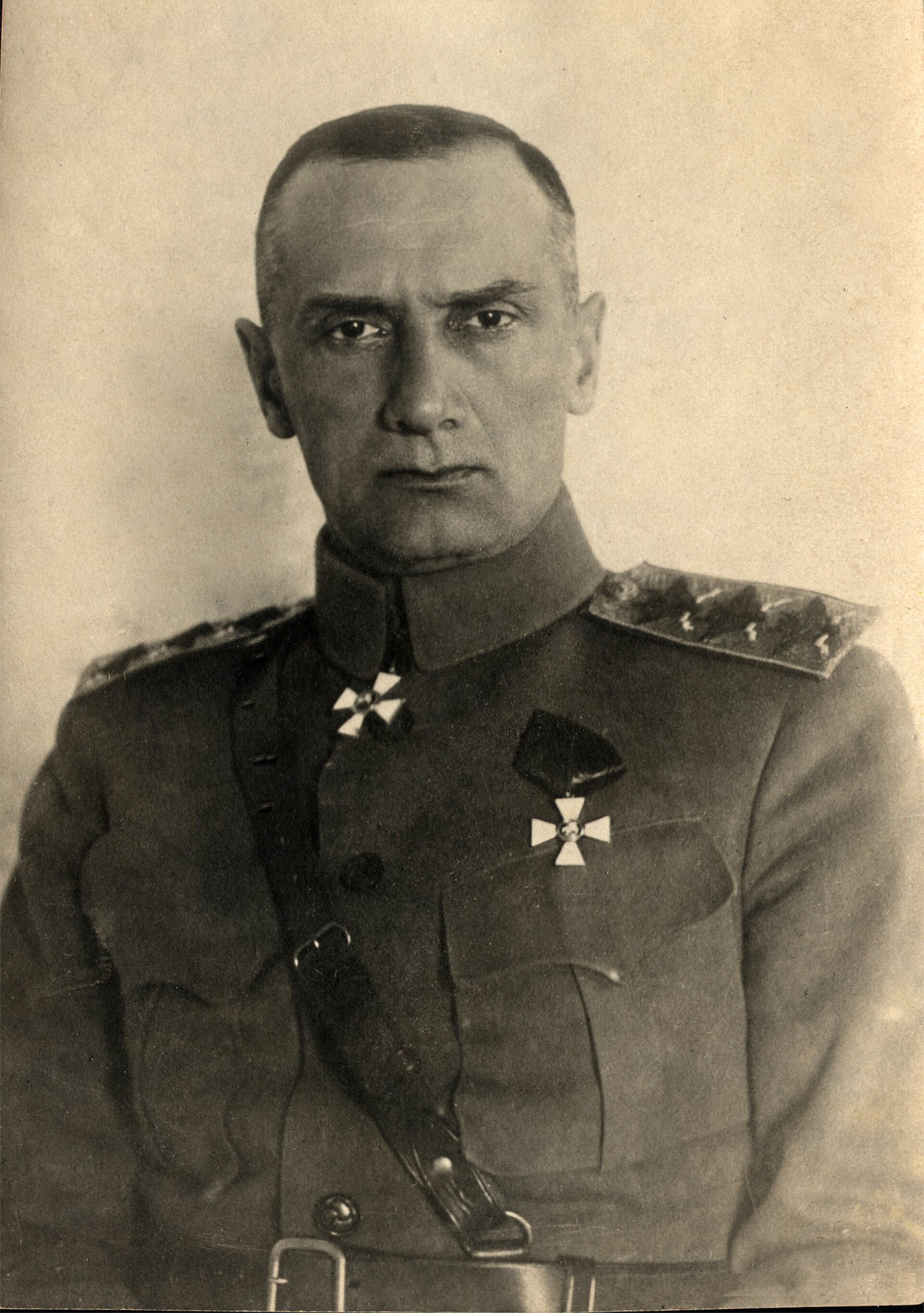
On 18 November 1918, a rear-admiral named Alexander Kolchak seized power in Omsk, arresting two elected directors and declaring himself Supreme Ruler of Russia. It was the moment the loose anti-Bolshevik coalition hardened into something the Reds could finally aim at — and destroy.
It had begun a year earlier in Petrograd. The Bolsheviks, led by Vladimir Lenin, toppled the Provisional Government in October 1917, promising peace and bread. But seizing a capital is not the same as ruling a country.
The opposition was vast and fractured: conservative White Army officers loyal to the old empire, socialist rivals who had lost the elections, Ukrainian anarchists, Cossack armies, and thirteen foreign powers who sent troops to strangle Bolshevism before it spread.
Leon Trotsky, appointed to rebuild the shattered imperial army into a Red fighting force, used every lever available: forced conscription of peasants, hostage-taking to secure officer loyalty, and barrier troops stationed behind unreliable units with orders to shoot anyone who retreated without permission.
By mid-1919 the Whites were at their peak. Kolchak pushed from the east, General Anton Denikin drove north from the Caucasus and came within two hundred miles of Moscow, and General Nikolai Yudenich nearly seized Petrograd from the west. Trotsky personally organised the city's defence, arming factory workers and tripling the garrison within weeks. Yudenich pulled back and his army was interned by Estonia.
The tide turned fast. The Red Army counterattacked on all three fronts in the autumn of 1919. Denikin's overextended lines collapsed; Kolchak lost Omsk in November and fled east. He was arrested by his own Czechoslovak allies, handed to a Bolshevik committee, and shot on 6 February 1920. His body was pushed through the ice of the Angara River.
The last White stronghold was Crimea, held by General Pyotr Wrangel with the remnants of Denikin's armies. In November 1920, Red and anarchist forces drove him to the sea. Wrangel's fleet carried him and roughly a hundred thousand soldiers and civilians to Constantinople. The White cause was finished.
The final shots came far to the east. On 25 October 1922, the Red Army took Vladivostok. Scattered resistance in Central Asia by Basmachi guerrillas continued into the 1930s, but the war as a war was over.
The cost was staggering: somewhere between seven and twelve million dead, the overwhelming majority civilians, killed by battle, famine, disease, and massacre. Both sides executed tens of thousands. Pogroms killed roughly a hundred thousand Jews in Ukraine alone.
What emerged from the wreckage was the Soviet Union, a one-party state that banned all opposition and crushed the elected assembly it had once demanded. Lenin had won. The question of Russia's future had been answered — in blood, and for decades to come.
Image: User:Yanachka, Public domain · AI-narrated · Drawn from Wikipedia · CC BY-SA 4.0