

Transcript
On a hill above the Albanian coast, a mansion sits half-ruined. Bare concrete walls, collapsed plaster, empty rooms where chandeliers once hung. This was King Zog's summer palace, built to embody a nation's sovereignty. It never got to be anything else.
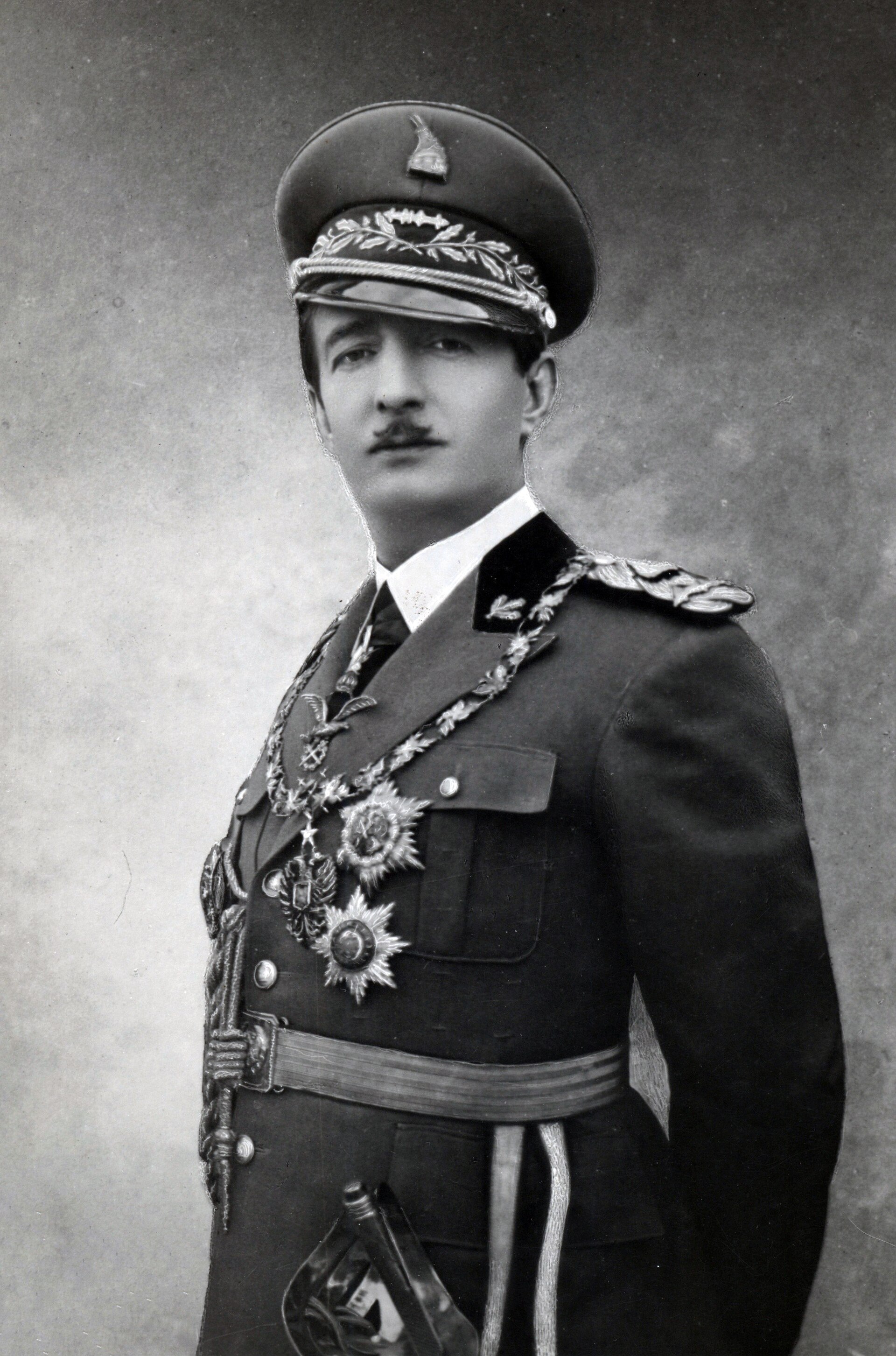
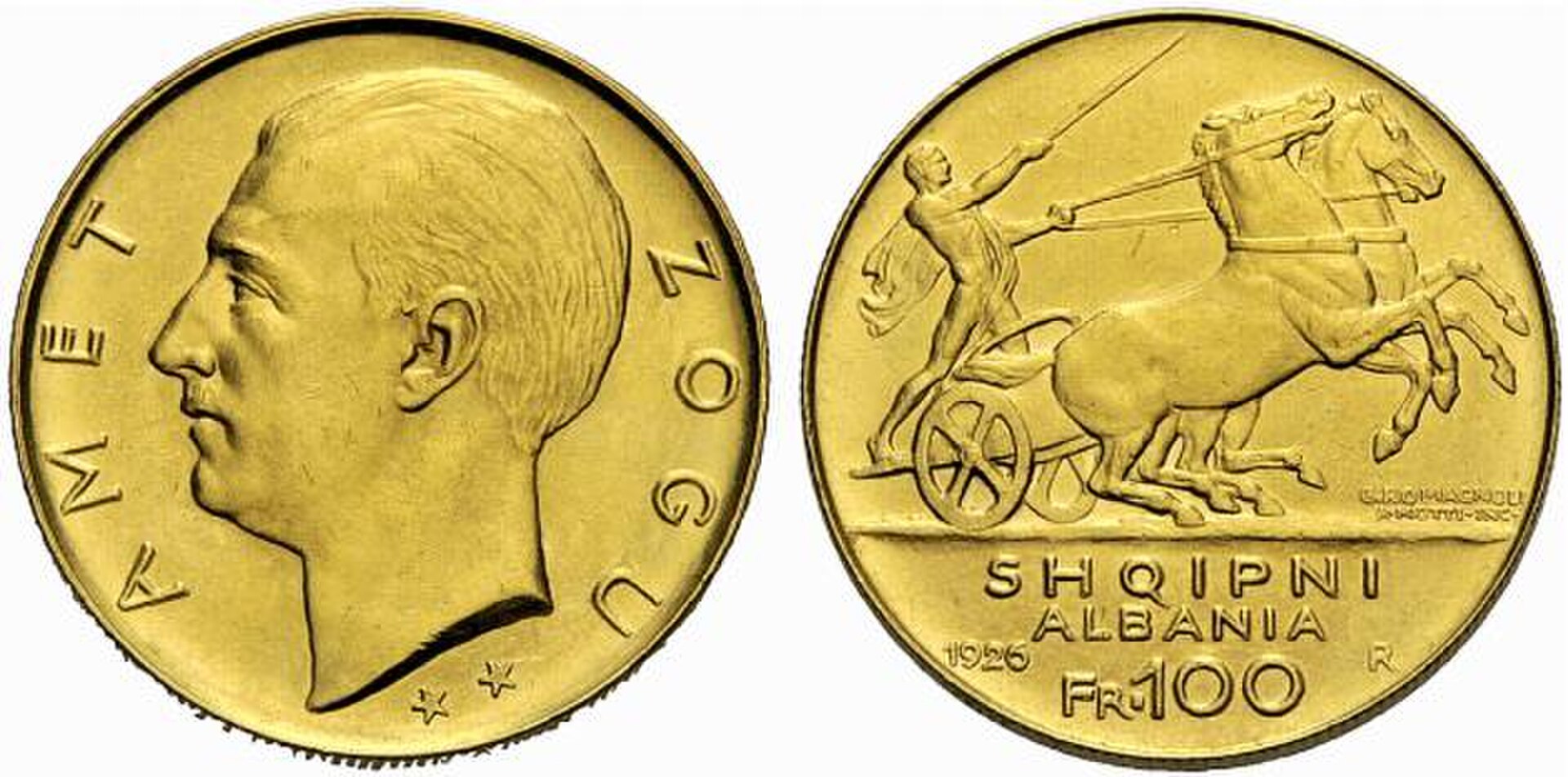
Ahmet Zogu seized power in Albania in the mid-1920s, transforming himself from a regional strongman into a president, then a king. The country was poor, fractured, barely independent. In 1925, an Italian loan arrived for roads and public works, and Zogu saw his chance: a villa that would announce to Europe that Albania had arrived.
The site he chose was a hill at Durrës, overlooking the harbour and the Adriatic. Architects cycled through—an Italian Novecento designer, an Albanian engineer trained in Venice who built an octagonal tower (destroyed in the 1927 earthquake), a German modernist whose plan was rejected. Finally Florestano Di Fausto, chief architect of Italian public works in Albania, took the commission and redesigned it in monumental Rationalist style. The cost ran to about 1.5 million gold francs, making it one of the most expensive projects the monarchy would ever undertake.
Construction finished in 1937. Months later, King Zog married a Hungarian noblewoman named Geraldine, and the villa became their summer retreat. Wide terraces overlooked the sea. The central hall glowed with Corinthian pilasters, gilt cornices, and a marble floor inlaid with Albania's double-headed eagle. Observers said the ground plan itself resembled that eagle—a building that was also a symbol.
In April 1939, Italian troops invaded Albania. Zog fled into exile. The villa was seized by the occupation authorities and became the residence of senior Italian officials. After Italy's capitulation in 1943, German officers took over until their withdrawal in late 1944. The palace that was meant to announce Albanian sovereignty had become a barracks for foreign powers.
The communists nationalised it after 1945 and turned it into a state guesthouse for visiting dignitaries—Nikita Khrushchev in the 1950s, Cambodian heads of state, foreign delegations. It remained closed to ordinary Albanians, a symbol of power they could never enter.
In 1991, communism fell. The villa briefly reopened for receptions. Six years later, during the civil chaos of 1997, it was looted—marble cladding, parquet floors, every fixture worth stealing stripped away. By the 2000s the building stood hollow, a monument to nothing, its gilt cornices gone and its walls bare. In 2025, an entrepreneur named Kadri Morina, with the royal family's agreement, announced a full restoration to its 1939 appearance, engaging Italian and French specialists. Whether the palace will ever again announce a nation's presence, or remain as it has been for decades—a building emptied of its meaning—is still unwritten.
Image: Andis Rado, CC BY-SA 4.0 · AI-narrated · Drawn from Wikipedia · CC BY-SA 4.0