

Transcript
In March 2009, a man who had not performed a major concert in twelve years stood at a press conference at the O2 Arena and announced he was coming back. Fifty dates in London. Then Paris, New York, Mumbai. More than a million tickets sold in under two hours. The world was watching. What it did not know was that he had less than four months to live.
Michael Jackson was born on August 29, 1958, in Gary, Indiana, the eighth of ten children crammed into a two-bedroom house. His father Joe, a crane operator and former boxer, ran rehearsals with a belt in hand. Michael later said the whippings and the loneliness of those years never left him.
By 1964, six-year-old Michael was singing lead for the Jackson 5, touring Midwest clubs and winning amateur nights at the Apollo Theater in Harlem. Motown signed them in 1969, and within months "I Want You Back" reached number one. Rolling Stone called the boy prodigy "a one-man rescue team" in the making.
His adult breakthrough came with "Off the Wall" in 1979, produced with Quincy Jones. But it was "Thriller", released in November 1982, that rewrote the rules entirely. It became the best-selling album in history, with an estimated seventy million copies sold, and its fourteen-minute zombie video broke racial barriers on MTV that had kept Black artists off the channel.
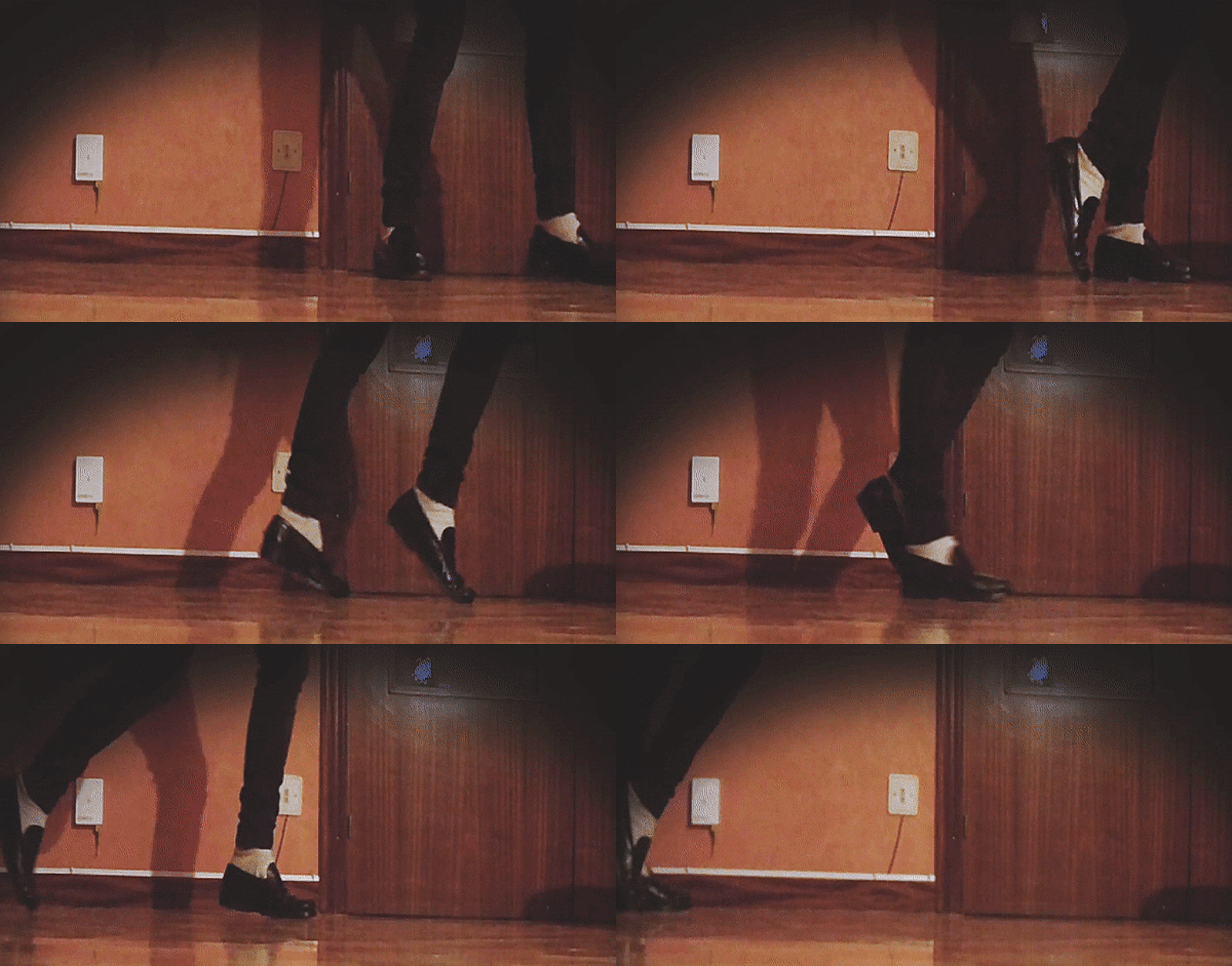
On March 25, 1983, Jackson performed "Billie Jean" on a Motown anniversary television special watched by forty-seven million people. Wearing a rhinestone glove, he debuted the moonwalk, a street move taught to him by Jeffrey Daniel. Berry Gordy said he was "mesmerized". The move became the single most recognisable gesture in pop music.
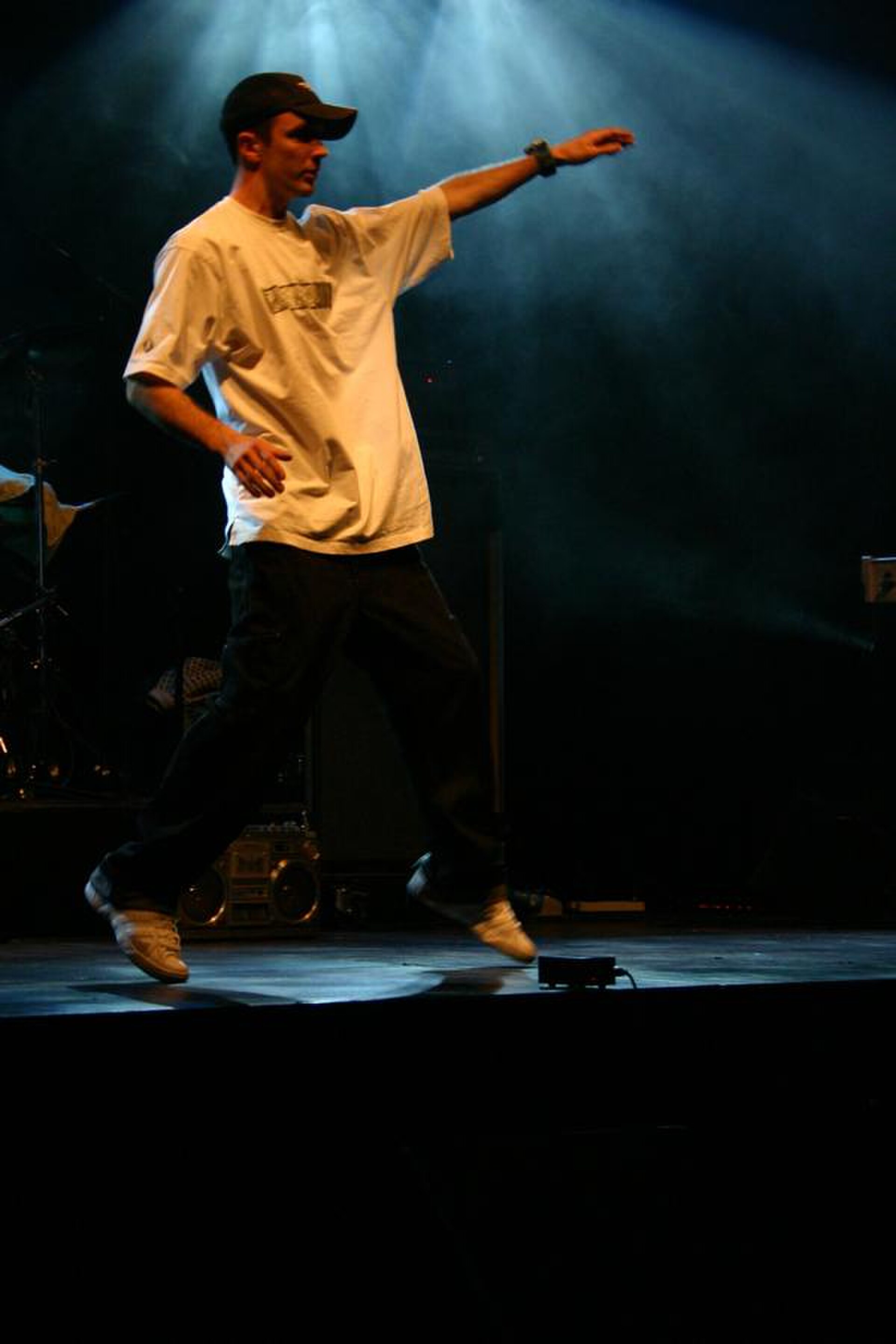
"Bad" followed in 1987, the first album to produce five US number-one singles. The Bad World Tour drew half a million people across seven sold-out nights at Wembley Stadium alone, a Guinness world record. Jackson had become something beyond a musician: a global phenomenon who, according to Time, stood as "the dancer with the fanciest feet on the street."
From the mid-1980s onward, his skin gradually paled due to vitiligo, a condition his dermatologist diagnosed in 1986. The tabloids turned on him. In 1993, a thirteen-year-old boy's father accused Jackson of sexual abuse; a civil settlement of over eighteen million dollars followed, but no criminal charges were ever filed. A second trial in 2005 ended in acquittal on all counts. The allegations shadowed every remaining year of his life.
By his final years, Jackson's debts had grown to nearly five hundred million dollars. Neverland Ranch was shuttered. He had not returned to it since his acquittal. The comeback concerts were as much financial necessity as artistic ambition. He rehearsed at the Staples Center in Los Angeles under choreographer Kenny Ortega, those who saw him described a man who could still move with extraordinary precision.
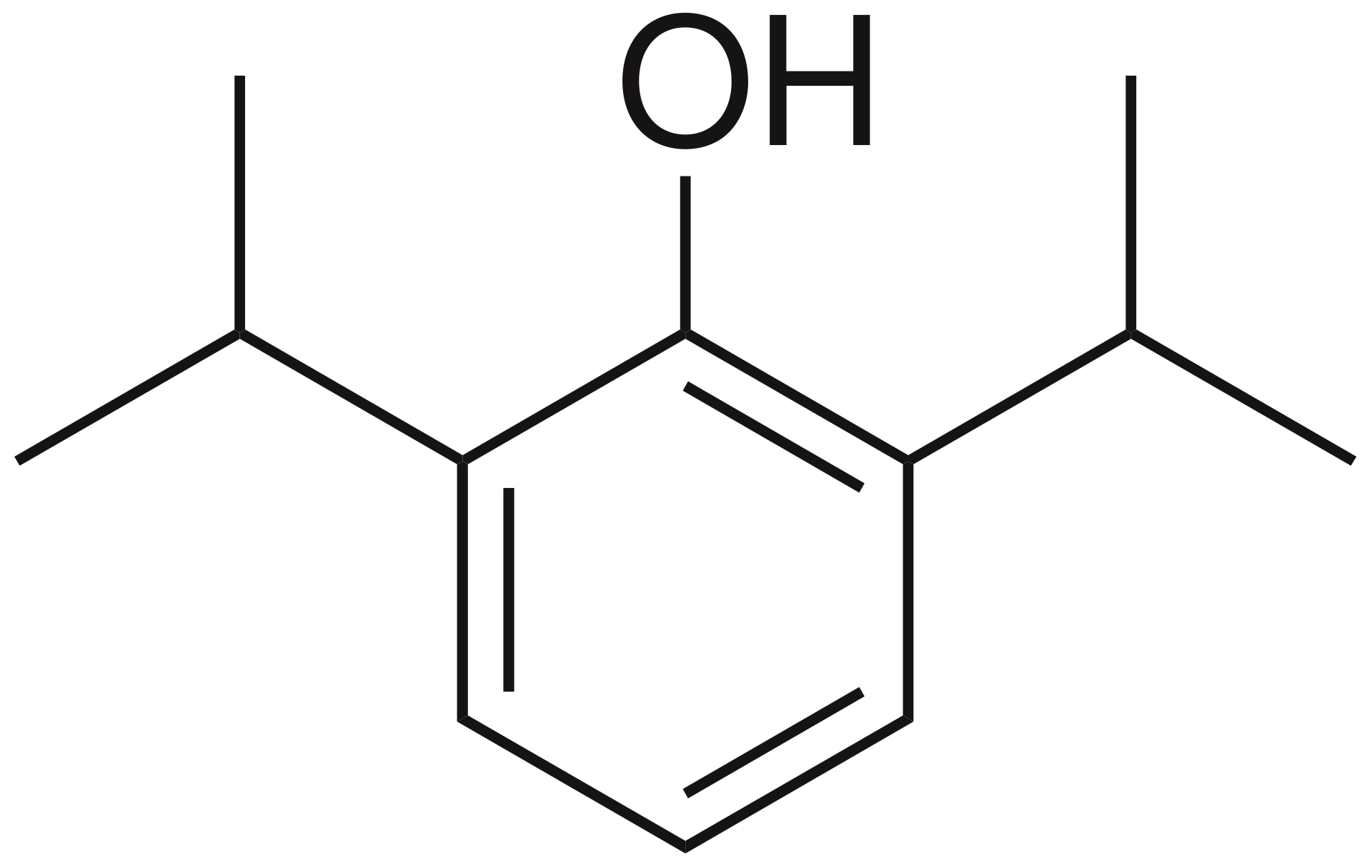
On June 25, 2009, less than three weeks before the London residency was due to begin, Jackson died at his home in Holmby Hills, Los Angeles. He was fifty years old. His personal physician Conrad Murray had administered propofol and other sedatives to help him sleep. Paramedics found him not breathing. Resuscitation efforts continued for over an hour. He was pronounced dead at 2:26 in the afternoon. Murray was later convicted of involuntary manslaughter.
News of his death crashed Google, Twitter, and Wikipedia simultaneously. MTV returned, briefly, to broadcasting music videos. The question his whole arc raises, how does a child beaten into genius become the most famous person on earth and still die alone and in debt, has no clean answer. Only the music remains, and it sold thirty-five million copies in the year he died alone.
Image: Matthew Rolston; Distributed by Epic Records, Public domain · AI-narrated · Drawn from Wikipedia · CC BY-SA 4.0