

Transcript
On the evening of 18 November 1987, the ticket hall of King's Cross St Pancras tube station filled with hundreds of evening commuters heading home. The Underground was crowded but ordinary. A discarded match fell onto a moving escalator, and for several minutes the fire it sparked seemed minor—a nuisance, nothing more. Then at 19:45, everything changed. The flames shot up the escalator shaft and exploded into the ticket hall in a violent jet of fire and black smoke. Thirty-one people died in the next few seconds.
The King's Cross station was a vertical maze: subsurface platforms for the Metropolitan, Circle and Hammersmith & City lines sat above deeper tunnels for the Northern, Piccadilly and Victoria lines. Wooden escalators connected them. The escalators had never been a fire risk before because no one had ever died in a fire on the London Underground. Staff had been given almost no training in evacuation. The Underground's leadership believed fires were manageable—something to handle quietly, in-house, without calling outside help.
At 19:30, passengers spotted flames beneath the Piccadilly line escalator. British Transport Police and station staff found a fire about the size of a large cardboard box. The London Fire Brigade arrived by 19:36, but the flames were unreachable with handheld extinguishers. Staff knew water fog equipment existed but had never been trained to use it. Officers ordered evacuation via the Victoria line escalators. Firefighters prepared to tackle the blaze with breathing apparatus and a water jet.
By 19:42, the entire escalator was alight. Superheated gas rose through the shaft and pooled against the ticket hall ceiling, where twenty layers of old paint had accumulated over decades of repainting. A director had warned years earlier that this paint could be a fire hazard. No one had acted on the warning. The paint began absorbing the heat.
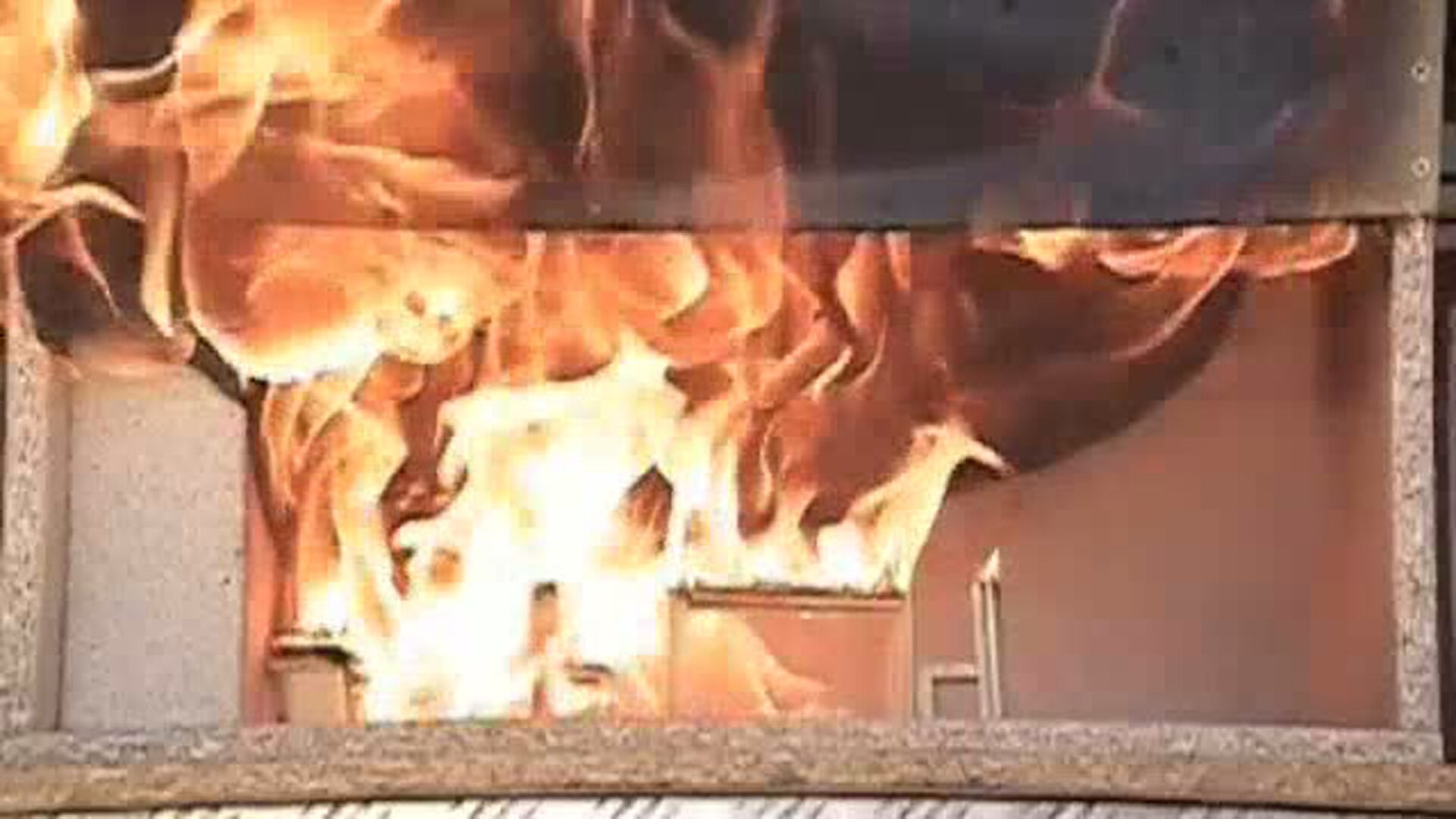
At 19:45, the escalator flashed over. A sustained jet of flame shot upward into the ticket hall, filling it with intense heat and thick black smoke. Most people still in the ticket hall were killed or seriously injured in seconds. The fire had exposed a previously unknown phenomenon—later named the trench effect—where flames burning at a thirty-degree angle could be directed by the metal sides of the escalator and discharge with lethal force into an enclosed space above. The station's own geometry had become a weapon.
Station Officer Colin Townsley from Soho fire station was in the ticket hall when the flashover occurred. He spotted a badly burned passenger in difficulty and stopped to help her. Both were found dead at the base of the exit steps onto Pancras Road. Thirty other people died in the smoke and flames. Among them was a seventy-three-year-old man from Scotland, Alexander Fallon, who remained unidentified for sixteen years and was known only as Body 115 until forensic evidence confirmed his name in 2004.
A public inquiry opened in February 1988 under Desmond Fennell, a judge, and investigated for five months. Investigators reproduced the fire using a one-third-scale model of the escalator. They confirmed that a dropped match ignited grease contaminated with fibrous material—lint, hair, ticket fragments—that had accumulated beneath the treads. The computer simulation and physical tests proved the trench effect was real and had caused the flashover. But the inquiry also found something else: analysis of the victims showed that at least twenty-three of the thirty-one had died not from the fire itself but from inhaling cyanide in the smoke of burning paint, paint that had been applied to counter graffiti.
The inquiry condemned London Underground for complacency born of an unbroken safety record. Staff had been trained to suppress fires themselves rather than call for help immediately. The report led to resignations among senior management. Within five days, smoking was banned on all escalators. Wooden escalators were gradually replaced with metal ones—a process that took until 2014. Heat detectors, sprinklers, and improved radio systems were installed. The Fire Precautions Regulations of 1989 reshaped underground railway safety across Britain. A system that believed itself safe had killed thirty-one people in seconds. It would never be complacent again.
Image: Christopher Newberry, CC BY-SA 3.0 · AI-narrated · Drawn from Wikipedia · CC BY-SA 4.0